 Kono Vidovic
The best music for a hotel is not one playlist but a separate soundtrack per zone, because a lobby, a bar, a restaurant and a spa are four different rooms doing four different jobs. I have consulted for properties from boutique design hotels to large business hotels, and the pattern is almost always the same: someone picked a streaming service, set it to a “hotel lobby” mood, and never thought about it again. That is not a music strategy, it is background noise with a monthly subscription fee.
A serious hotel music strategy treats audio as an environmental design element, as deliberate as lighting, materials, and service standards. If you want that built for your property rather than explained, hotel music consultancy is the service, and music strategy consulting covers the same work for brands outside hospitality.
Why Hotel Music Strategy Matters
The hotel is a complete sensory environment. Guests move through it over hours, sometimes days. They encounter different spaces - the lobby on arrival, the restaurant for breakfast, the bar in the evening, the spa during the afternoon, the gym in the morning, the corridors between rooms. Each of these spaces has a different function, a different emotional requirement, and a different type of guest interaction.
Music that works in a lobby does not work in a spa. Music that works in a bar does not work in a restaurant during breakfast service. The fundamental error most hotels make is either using one music approach across all zones, or delegating zone decisions to whichever department head is most interested in music.
A music strategy is a framework - it defines the overall brand sound, then translates that sound into zone-specific programming that serves the function of each space while maintaining a coherent brand identity across the property.
Zone-by-Zone Breakdown
Lobby: The lobby is the first and last touchpoint for every guest. It should communicate your brand positioning immediately. Boutique hotels need music that signals personality - something with taste and a point of view. Luxury hotels need music that signals refinement and calm. Business hotels need something neutral enough to work across diverse international guests while still having some energy.
BPM range: 65-85. Genre direction: depends entirely on positioning. Avoid anything with prominent lyrics in the early part of the guest journey - instrumental or low-vocal tracks are easier for the brain to process alongside the cognitive load of check-in.
Restaurant: The restaurant’s music needs shift throughout the day. Breakfast service calls for something light and pleasant - guests are often not fully awake and are frequently working or reading. Lunch can carry more energy. Dinner service should slow down significantly, especially for properties with a serious food offering.
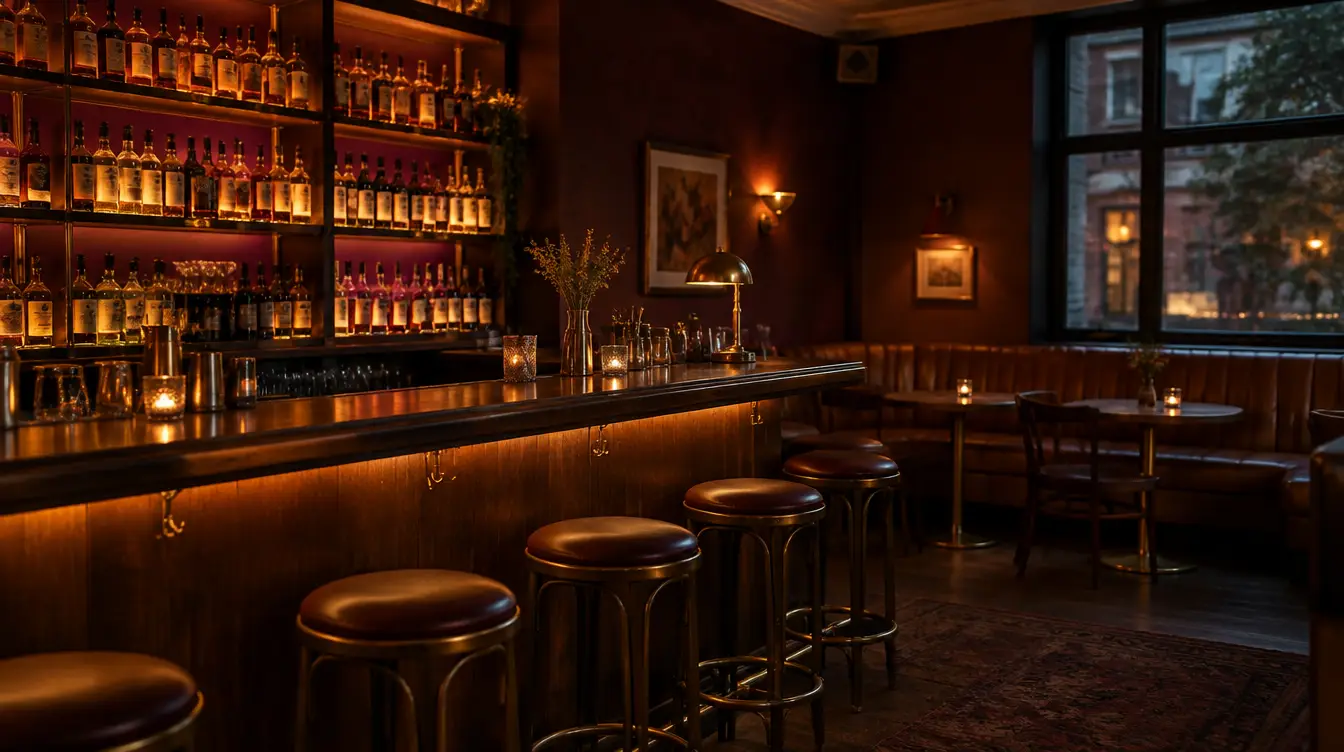
Bar: The bar is where the hotel most often gets music right or completely wrong. It’s the highest-stakes music environment in the property because music is not just background here - it actively shapes the social atmosphere. The bar should feel distinct from the lobby and restaurant. Energy levels should climb across the evening.
Spa: Low BPM, minimal vocals, smooth production. The spa is the one zone where almost any hotel can follow a simple formula: 50-70 BPM, instrumental, calming. The genre choice (nature sounds, ambient electronic, classical, world music) should reflect the spa’s overall concept and positioning.
Gym: High energy is correct here - guests are exercising and want music that supports physical activity. 110-130 BPM, energetic genre appropriate to your guest profile. The gym is also one of the few zones where prominent vocals and a driving beat are actually appropriate.
Corridors: Often completely overlooked. Corridors are transitional spaces - guests are moving through them between high-energy and low-energy zones. Gentle, ambient music at low volume is appropriate. The volume matters as much as the content here - corridor music that is too loud is genuinely annoying, especially late at night.
How Brand Positioning Changes Everything
The zone-by-zone recommendations above are modified significantly by where your property sits in the market.
Boutique hotels have the most opportunity and the most risk. The music can be highly specific, distinctive, and opinionated. It should feel curated by someone with genuine taste. Guests who choose boutique hotels are often music-aware and will notice if the audio identity is generic. The right custom mix for a boutique hotel lobby can become a genuine talking point.
Luxury hotels need restraint. The music should say “quality” without saying “look at us.” Classical adjacents, sophisticated jazz, careful world music selections. Nothing jarring, nothing trending. The goal is timelessness. Anything too current feels like the hotel is trying too hard.
Business hotels face a different challenge. The guest mix is international and diverse. Music that is too local, too specific, or too culturally specific risks alienating a significant portion of the guest base. Neutral international contemporary music in the lobby makes sense. The bar and restaurant can carry more personality.
Chain hotels operate under brand standards that may dictate aspects of the music approach. Within those standards, there is usually still room for property-level customization that reflects the local market and specific positioning of the individual property.
Common Hotel Music Mistakes
The mistakes I see most often:
- One genre across all zones - using a single playlist or mood setting across the entire property
- Volume too high - hotels consistently underestimate how much loud background music affects guest comfort
- Music that clashes with the visual identity - contemporary electronic music in a classically decorated lobby is dissonant
- No time-of-day variation - the same music at 7am breakfast as 10pm bar
- Choosing music based on staff preference - whoever controls the speaker system picks what they like
- Setting it and forgetting it - a strategy set up in January that still runs unchanged in December
How to Build a Hotel Music Strategy
Before deciding on specific music for any zone, articulate the overall audio identity of the property. What three adjectives describe how the hotel should sound? What artists or albums embody the feeling you want to create? This brand sound document is the reference point for all zone decisions.
List every space where music is played or could be played. For each zone, define: the primary guest activity, the emotional state you want to support, the typical time of use, and how it connects to adjacent zones in the guest journey.
For each zone, set BPM range, genre direction, volume level, and time-of-day programming shifts. These parameters should derive from the brand sound while serving the specific function of the zone.
Decide whether each zone needs custom programming, a managed subscription service, or a hybrid approach. High-visibility zones like the lobby and bar benefit most from custom mixes. Service areas and corridors may be adequately served by a well-configured subscription service with proper parameters set.
Decide who owns music decisions for each zone and who has the authority to override or adjust. Without clear ownership, music reverts to whoever is most assertive or most nearby. The strategy needs a guardian.
Build a review calendar. Seasonal refreshes are minimum. High-traffic zones should be reviewed quarterly. Document what's changed in the guest profile or brand positioning and update the music accordingly.
| Zone | Target BPM | Genre Direction | Time Variation | Goal |
|---|---|---|---|---|
| Lobby | 65-85 | Brand-specific, low vocal | Slight increase morning to evening | First impression, brand communication |
| Restaurant - Breakfast | 75-90 | Light, warm, pleasant | Consistent | Comfortable, unhurried start |
| Restaurant - Dinner | 60-80 | Sophisticated, calm | Slow decrease through service | Extended dwell, high spend |
| Bar | 85-115 | Brand-specific, rising energy | Increase hourly through evening | Social atmosphere, extended stay |
| Spa | 50-70 | Ambient, instrumental | Consistent | Relaxation, wellness |
| Gym | 110-130 | Energetic, genre-appropriate | Consistent | Physical performance |
| Corridors | 65-80 | Ambient, low presence | Reduce at night | Neutral transition, no disturbance |
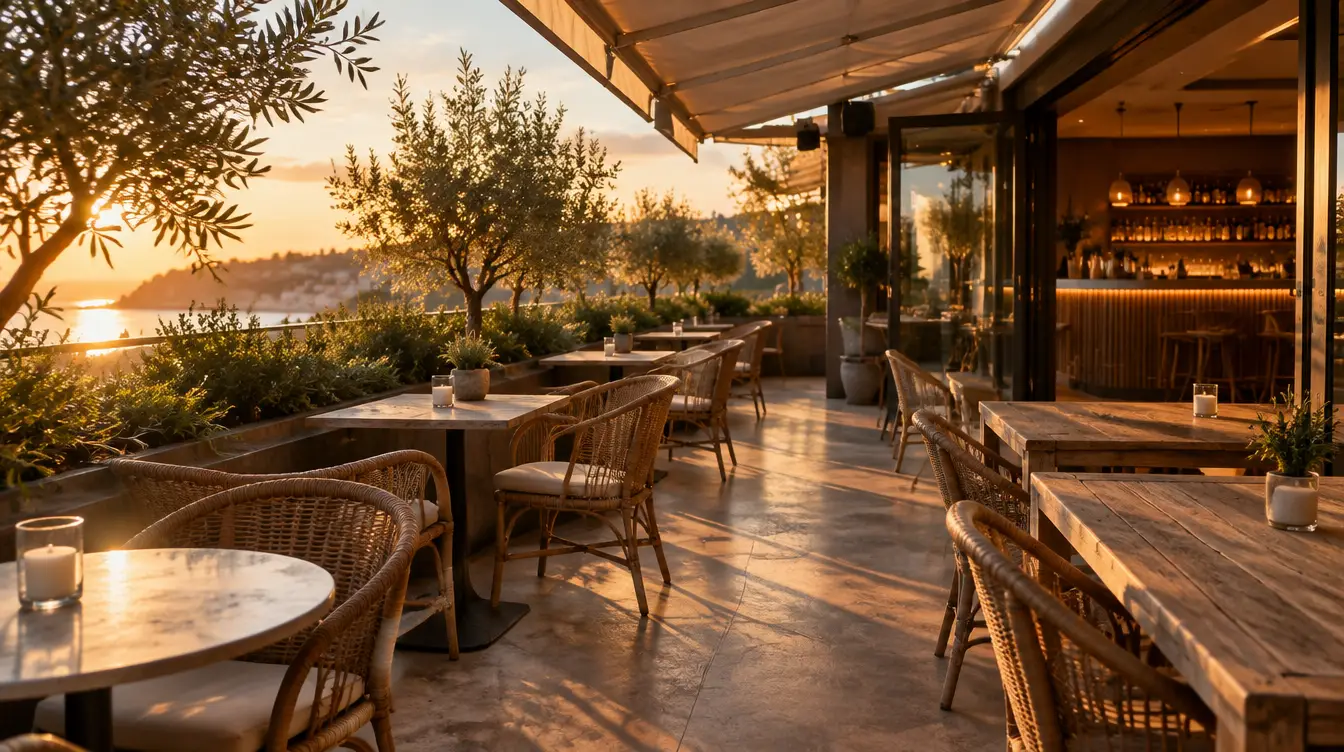
| Pool/Terrace | 75-95 | Relaxed, outdoor-appropriate | Increase with sunlight hours | Leisure, dwell time |
If you want to build a hotel music strategy that genuinely serves your brand and your guests, get in touch for a free discovery call and let’s talk about your property specifically.
Key Takeaways:
- Every hotel zone has a different function and requires a different music approach
- Brand positioning - boutique vs luxury vs business - fundamentally changes what’s appropriate in each zone
- Volume control is as important as music selection in hotel environments
- A strategy needs operational ownership or it will degrade back to whoever controls the speaker system
- High-visibility zones like the lobby and bar benefit most from custom programming
Frequently Asked Questions
How many different music streams does a hotel typically need?
A full-service hotel typically needs at minimum 4-6 distinct music streams: lobby, restaurant (often with breakfast/dinner variation), bar, spa, gym, and corridors. Larger properties with multiple restaurant concepts or multiple bar environments may need more. The key is that each stream serves a distinct function - you’re not creating complexity for its own sake.
Should the music in different zones overlap or be clearly distinct?
There should be continuity of brand character across zones while the functional programming differs. A guest should recognize that the lobby, restaurant, and bar all belong to the same hotel without the music sounding identical. Think of it as variations on a theme - the same family of artists and production style, applied differently based on context.
How do you handle music in rooms?
In-room music is a different category - it’s private listening rather than public atmosphere. Many hotels provide a curated radio station or a streaming option via the TV or in-room system. This is an opportunity to extend the brand experience and introduce guests to the artists and genres that define the hotel’s sound. It doesn’t require the same zone-specific complexity as public spaces.
What about conference and meeting rooms?
Meeting rooms typically need music only during arrival, breaks, and departure - not during the meeting itself. A simple, neutral background music option that’s easily controlled by the event host is appropriate. Don’t overthink this zone; its requirements are purely functional.
How do I manage music across multiple hotel properties?
Multi-property management requires a brand music guide - a document that defines the overall sound, the zone parameters, the approved music sources, and the refresh schedule. This guide allows individual properties to implement the strategy consistently while accommodating local variation. Custom mixes produced centrally can be distributed to all properties for key zones like the lobby.
What’s the biggest single improvement a hotel can make to its music strategy today?
Fix the volume. In almost every hotel I visit, the music in at least one zone is too loud. Guests cannot have a normal conversation, which disrupts the dining experience, the lobby atmosphere, and the bar social environment. Volume is free to adjust. Set it correctly for each zone, put the correct level in writing, and train staff to maintain it.
Most properties need a separate soundtrack per zone rather than one playlist stretched across the building. A custom mix from EUR 249 covers one zone properly, and a conversation will tell us how many zones you actually have.